
What to Save Before Your Truck Loses Phone Signal
Losing mobile service near a rural receiver does not erase the appointment.
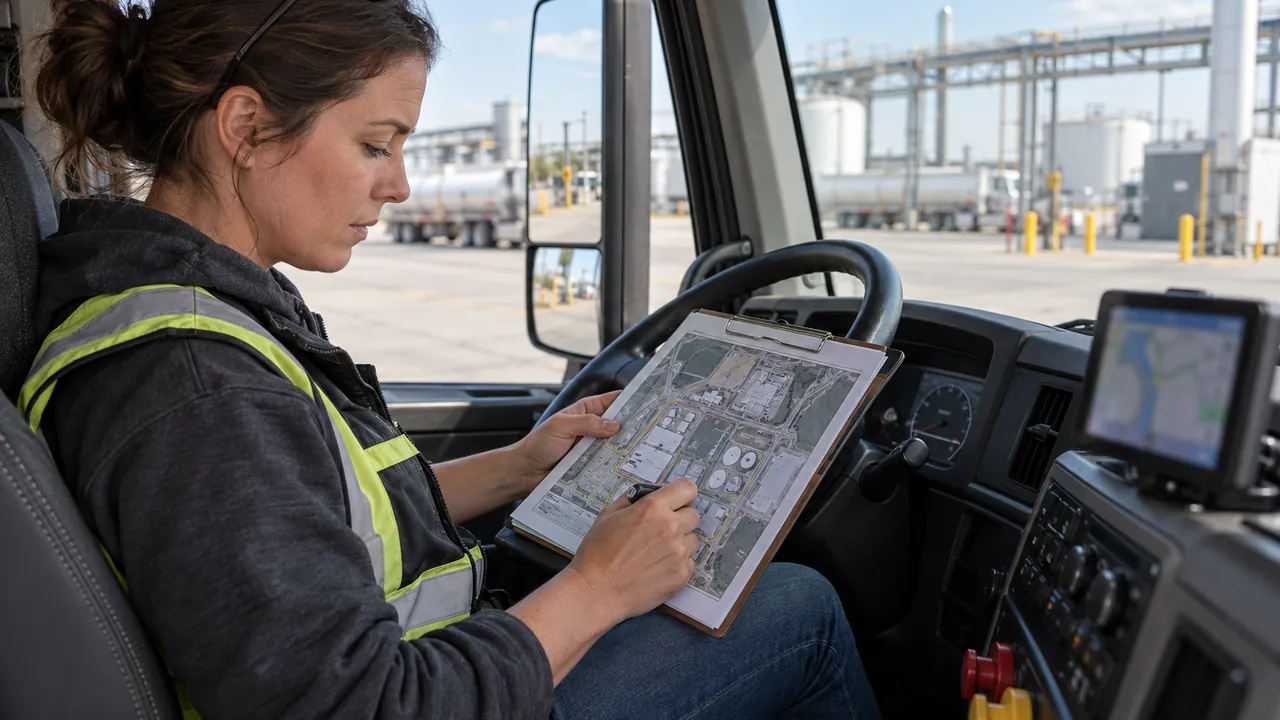
Losing mobile service near a rural receiver does not erase the appointment. It can, however, erase access to a portal that holds the reference, gate instructions and dispatch contact. An offline packet earns its space when it answers a small set of operational questions without depending on a fresh login.
Test it without a connection
Build a sample packet for a trip with two deliveries to the same business. Open the saved material with the device offline and parked. Can the driver distinguish the first stop from the second, tell which local date applies and find the approved contact channel? A screenshot of a dashboard may show the address while hiding the reference behind a closed panel.
Check the file name as part of the offline trial. Two downloads named delivery.pdf can be impossible to distinguish in a small-screen file picker. A booking reference and local service date make a more useful pair. Confirm that the application's preview displays the same identifiers after the document opens.
A useful test for a trip record
Take a harmless sample job and hand the note to a colleague who missed the original conversation. Ask them to identify the current instruction and the person who can confirm it. Give them the same material they would have on shift. If they need a private message or a phone call to the author simply to understand a field, clarify that field before making the workflow standard.
Then introduce a small correction. Watch where the correction appears and where the old value remains visible as if it were current. A paper copy in a cab, a downloaded attachment or a note copied into a second system can outlive the record that generated it. Retain enough history to explain the decision, but label the current version in the place the next reader actually uses. The reader should not need to compare file creation times to choose an instruction.
Set a clear replacement rule
When dispatch changes the appointment, mark the old packet as superseded and send the corrected one through the normal channel. Keep personal or shipment-sensitive information to the minimum necessary. An offline copy should have a clear life after delivery as well as a useful life during the trip.

Make the replacement instruction visible
A change needs to reach the place where the next decision will be made. An updated email in the office will not help somebody working from a printed booking sheet. Identify the old instruction, the approved replacement and the person or team expected to act. Send it through the established channel and make it clear when an acknowledgement is needed. Keep the history available without leaving two instructions that look equally current.
Test the result by asking what happens if the original contact goes off shift. Another dispatcher should be able to see the last confirmed arrangement and the outstanding question without reopening every message. If confirmation has not come through, give the pending item a named owner and a realistic next contact point. That prevents a proposed change from turning into an assumed fact simply because several people have seen it mentioned.
Build the packet from the current assignment
An offline packet should be a deliberate working copy. Start with the carrier's current booking rather than a collection of screenshots gathered during the previous trip. Identify the local service date, the location being visited and the reference the driver must present there. Give each stop its own heading so two similar customer names do not merge into one instruction.
Imagine a route with a collection and a return visit to the same depot. The address repeats, but the purpose and reference differ. The offline file should make that difference visible at the point the driver opens it. An incoming dispatcher can then identify which visit is still pending without searching for the time at which a screenshot was captured.
Keep the source record available in the office. A saved packet supports the trip while the carrier's normal system retains the full booking history and the authority to make changes.
Test access without the main application
Use an invented trip to test the actual file format. Put the device offline while parked and open the packet from the location a driver would normally use. Check whether the reference remains readable, the contact information is complete and a map image includes enough context to identify its purpose. A thumbnail in a download list does not prove the full document is available.

For managed devices, follow the employer's storage and sharing rules. NIST's mobile-device security guidance provides background for organizations managing this kind of access. The practical question is which approved information needs to remain available when the usual connection fails.
Avoid including unrelated customer records, credentials or personal documents simply because exporting everything is convenient. A smaller packet is easier to identify, update and retire when the assignment is complete.
Make the replacement unmistakable
Agree how dispatch will identify a superseded packet. A revised appointment should carry the job reference and a clear version or issue time under the carrier's process. The driver needs to know which copy governs the next action, especially if the device displays both downloads with the same generic filename.
FMCSA's Motor Carrier Safety Planner offers broader operational context. The carrier should define the actual communication and recordkeeping procedure. An offline file is part of that procedure when its purpose, limitations and replacement route are understood.
Close the trip by handling the saved copy under the approved retention process. If it must remain, store it with the completed job. If it is meant to be removed, follow the applicable device policy. On the next assignment, confirm that the packet being opened belongs to the new journey. A successful offline test includes finding the correct information and preventing an obsolete instruction from becoming current again.